In a complex nutritional world where food safety concerns are growing, the need for precise tools that can ensure quality and protect consumer health has emerged — especially when it comes to repeated frying oil use. Oil is frequently used multiple times in homes and restaurants, exposing it to dangerous chemical reactions that may lead to the formation of toxic and carcinogenic compounds.في عالم تغذوي معقّد تزداد فيه المخاوف بشأن سلامة الطعام، برزت الحاجة إلى أدوات دقيقة يمكنها ضمان الجودة والحفاظ على صحة المستهلكين، خاصة عندما يتعلق الأمر باستخدام الزيوت في القلي المتكرر. كثيرًا ما يُستخدم الزيت مرارًا وتكرارًا، سواء في المنازل أو المطاعم، ما يعرّضه لتفاعلات كيميائية خطيرة قد تؤدي إلى تكوين مركبات سامة ومسرطنة.
During frying, oil is exposed to high temperatures exceeding 180°C, usually in the presence of air and moisture. These conditions lead to multiple chemical processes: Thermal Oxidation, Hydrolysis, and Polymerization. As a result, the oil gradually deteriorates, producing polar compounds, volatile compounds, and polymers that may be toxic or carcinogenic when accumulated. Studies indicate that repeated use of frying oil without monitoring leads to the formation of dangerous derivatives that can cause chronic diseases when consumed over long periods.أثناء عملية القلي، يتعرض الزيت لدرجات حرارة عالية تفوق 180°C، وغالبًا ما يكون ذلك في وجود الهواء والرطوبة. هذه الظروف تؤدي إلى حدوث عمليات كيميائية عديدة: الأكسدة الحرارية، التحلل المائي، والبلمرة. نتيجة لهذه التفاعلات، يبدأ الزيت في التدهور التدريجي وتنتج عنه مركبات قطبية ومركبات طيّارة وبوليمرات قد تكون سامة.
1. Prevention of Toxic Compound Consumption: Over time, harmful substances such as acrolein and polycyclic aromatic hydrocarbons (PAHs) accumulate — both linked to increased probability of serious diseases including cancer and liver disease. 2. Reducing Heart Disease Risk: Studies indicate oxidized oils contain trans fats and compounds that affect cholesterol levels. Regular testing helps reduce these risks. 3. Improving Food Taste and Smell: Degraded oils give food an undesirable taste and a pungent smell. The device allows maintaining flavor quality and raising customer satisfaction. 4. Compliance with Health Regulations: In Saudi Arabia, regulatory bodies such as SFDA emphasize food safety and quality. Having a frying oil tester enhances your compliance. 5. Reducing Operating Costs: Without the device you may change oil before it actually deteriorates — financial waste. With the device, you change it only when truly needed — financial savings.١. الوقاية من استهلاك مركبات سامة: مع مرور الوقت، تتراكم المواد الضارة مثل الأكرولين ومشتقات الهيدروكربونات العطرية متعددة الحلقات (PAHs). ٢. تقليل احتمالية الإصابة بأمراض القلب: تشير الدراسات إلى أن الزيوت المتأكسدة تحتوي على دهون متحولة تؤثر على الكوليسترول. ٣. تحسين طعم ورائحة الطعام: الزيوت المتدهورة تُعطي الطعام طعمًا غير مرغوب. ٤. الامتثال للأنظمة الصحية: في السعودية، تشدد SFDA على سلامة الأغذية. ٥. تقليل تكاليف التشغيل: الجهاز يتيح تغيير الزيت فقط عند الحاجة الحقيقية.
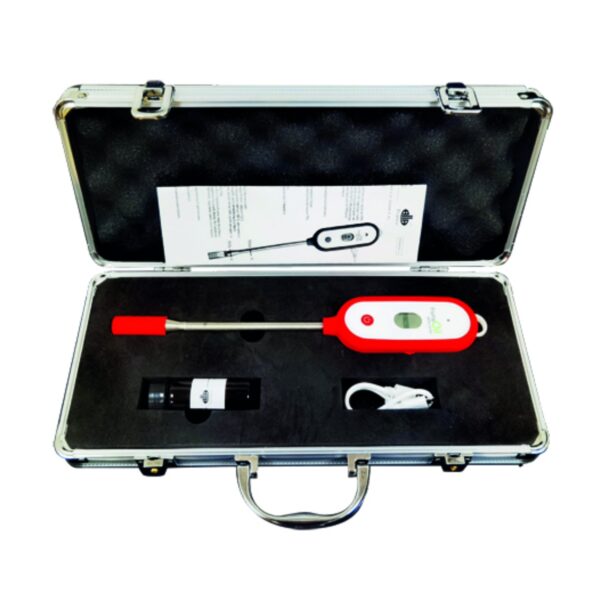
GCLMS supplies the Alla France Digital Oil Tester (COA-H200) — a professional-grade device that measures Total Polar Materials (TPM) percentage and temperature simultaneously. It provides instant digital readings, is approved for commercial use, and helps kitchens stay compliant with Saudi food safety regulations.يوفر GCLMS جهاز Alla France الرقمي لاختبار زيت القلي (COA-H200) — جهاز احترافي يقيس نسبة المواد القطبية الكلية (TPM) ودرجة الحرارة في آنٍ واحد. يُعطي قراءات رقمية فورية، معتمد للاستخدام التجاري، ويساعد المطابخ على الامتثال للأنظمة السعودية لسلامة الغذاء.